

A resupply mission ran without a driver, without a manned convoy, and without putting soldiers on a dangerous route. Two AI systems made it work, operating in sequence: one planning logistics, one executing the driving.
Gallatin AI and Kodiak AI, Inc., a leading provider of AI-powered autonomous vehicle technology, recently completed a field-validated exercise involving their technologies, demonstrating a logistics support platform integrated with an autonomous driving system.
Gallatin utilized Navigator, its AI-powered decision support platform, to automatically detect a resupply need, generate an optimized convoy plan, and coordinate autonomous vehicles. As the need was detected, Navigator built load plans matched to Kodiak's vehicle availability as well as transport capacity by mass and volume, and handed off the load plan directly to Kodiak's autonomous system, which then executed the mission. Dismounted personnel stayed situationally aware throughout the movement as operators monitored the convoy in real time and streamed live video from the trucks directly to their handheld tactical devices.
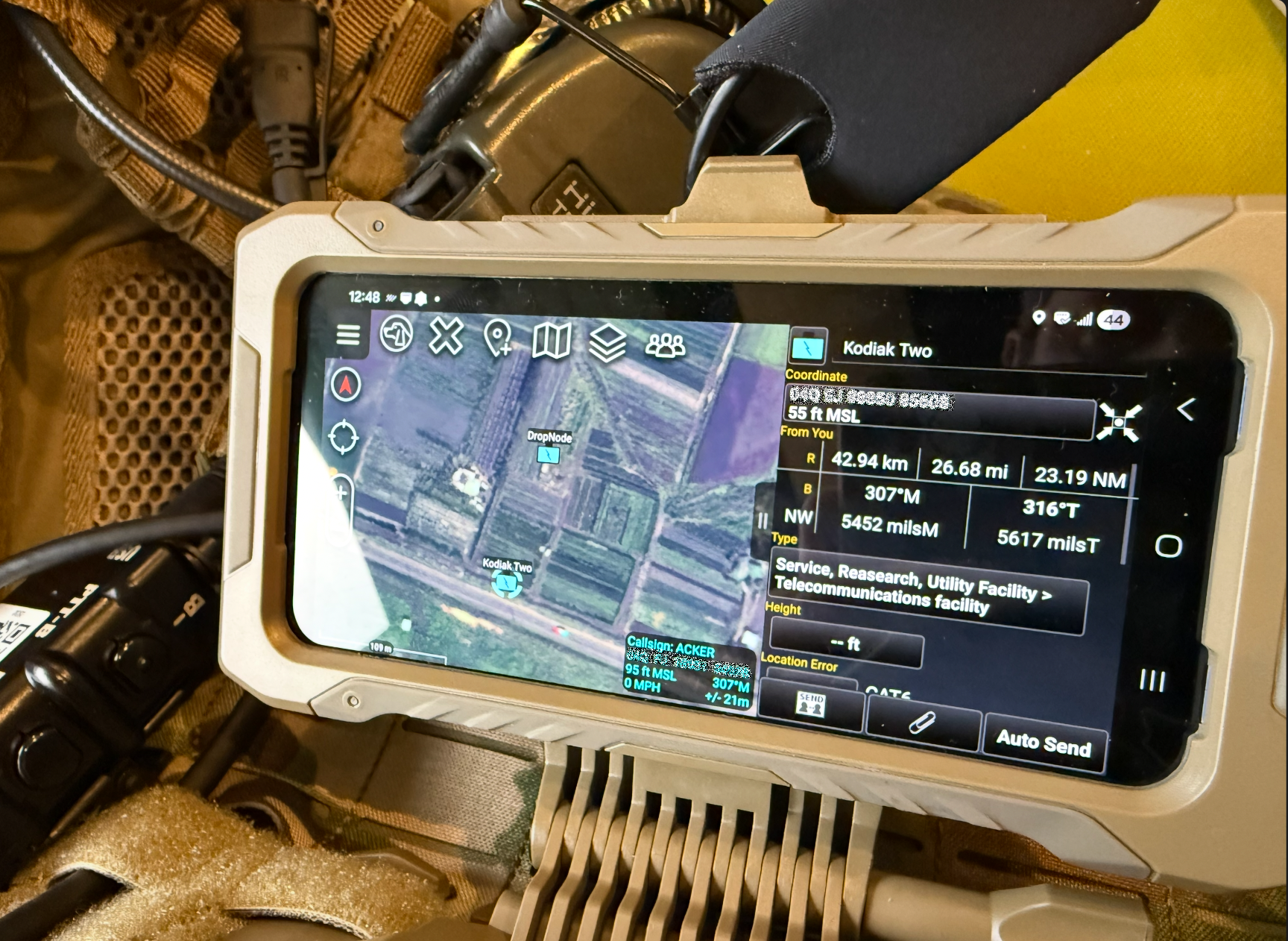
What normally takes a logistics cell hours of manual planning and coordination, Navigator completed in under 90 seconds. When autonomous systems share a common data interface, the friction of radio calls and manual handoffs disappears entirely.
Daniel Buchmueller, CTO and co-founder of Gallatin AI, co-founded Amazon Prime Air before turning his focus to military logistics, a background that has long shaped his conviction that autonomous delivery isn't a future capability, it's a present one worth building toward now.
"Contested logistics will define future conflict," Buchmueller said. "What we demonstrated is just the beginning. From automated sensing of a resupply need to smooth handoff to autonomous systems able to execute the mission, our team has proven a scalable AI logistics architecture. This is not theoretical and it is not years away. The capability exists today."
The exercise validated not just the technology, but the integration architecture connecting the two systems — a logistics planning layer that speaks directly to an autonomous execution layer, with human operators maintaining full approval authority throughout.
Kodiak AI is deploying its dual-use AI-powered virtual driver in military applications to improve operational tempo and reduce risk to warfighters. For Kodiak, the exercise represented a natural fit with its core mission.
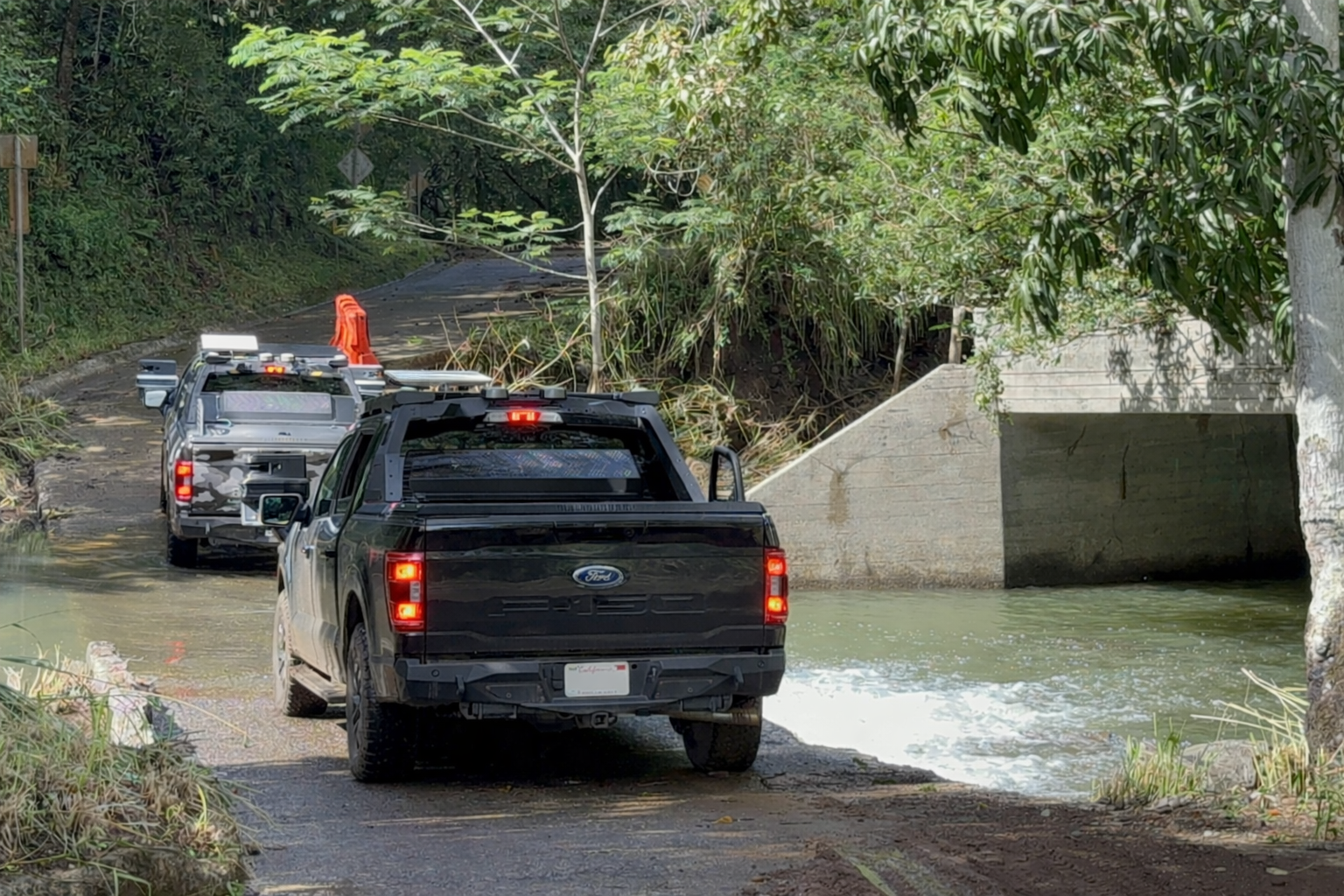
"Kodiak's dual-use autonomous technology works across rugged terrain and in unpredictable environments," said Andreas Wendel, chief technology officer at Kodiak AI. "Integrating our autonomous-driving technology with tactical AI systems like Navigator helps keep soldiers out of harm's way when the stakes are the highest."
"Logistics convoys have been among the most vulnerable elements in combat operations," Buchmueller said. "Autonomous, AI-directed resupply offers a practical path to changing that equation and reducing exposure on predictable supply routes."
Validated across environments from the urban corridors of Northern California to the Pacific terrain of Hawaii, the integration architecture aligns directly with DoW priorities around applied AI and contested logistics readiness: AI-generated sustainment plans handed to autonomous systems, with operators maintaining oversight from a safe distance. The planning layer exists. The execution layer exists. What remains is scaling it to the units that need it.


