
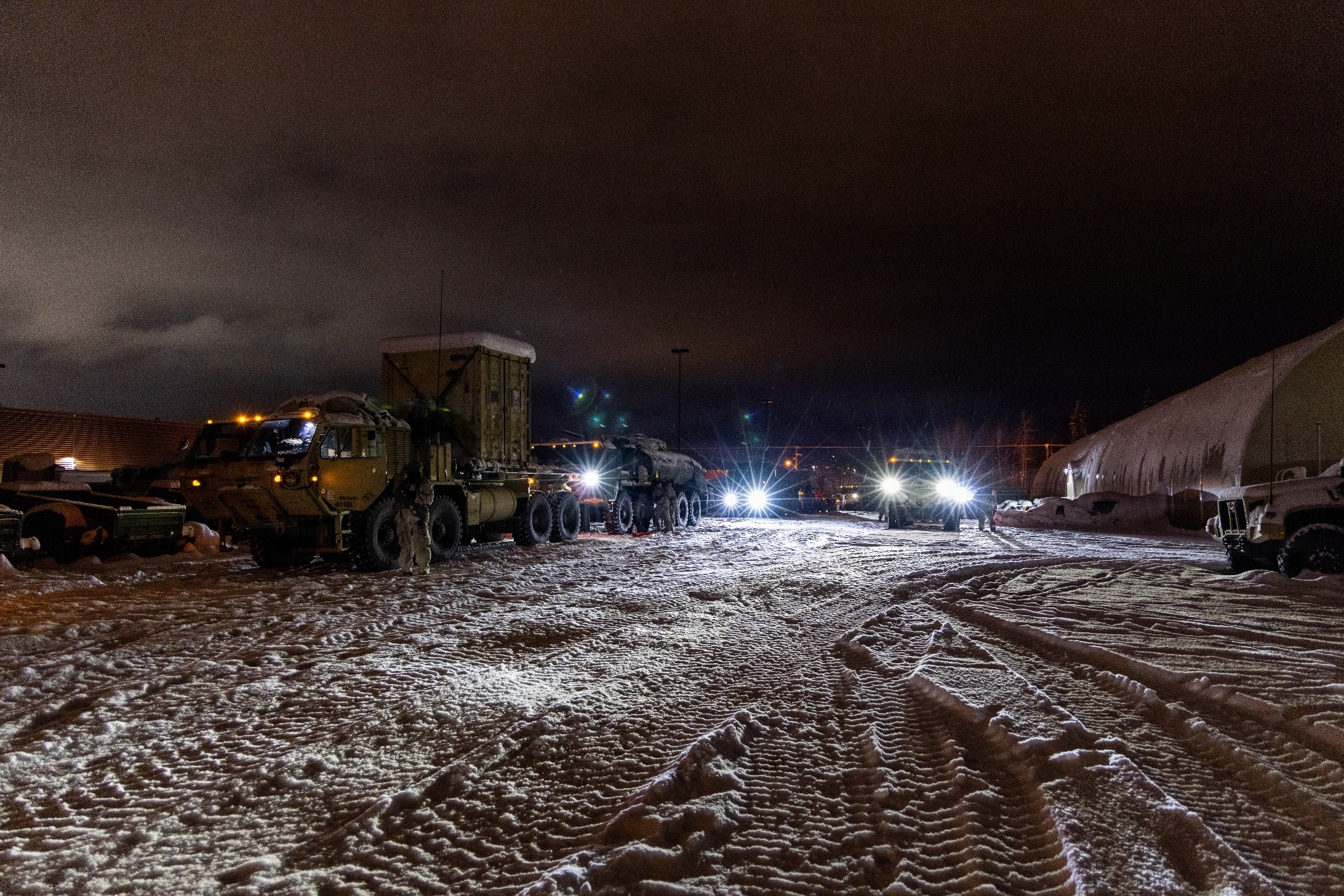
This past February, the 17th CSSB, 11th Airborne Division took Navigator, Gallatin's AI-enabled sustainment decision support platform, to Joint Pacific Multinational Readiness Center (JPMRC) 26-02 in Alaska, where it was used during their CTC rotation. I had the opportunity to observe and come away with a clear picture of where predictive sustainment tools fit today, where they're headed, and what it actually takes to be useful to logisticians in the field.
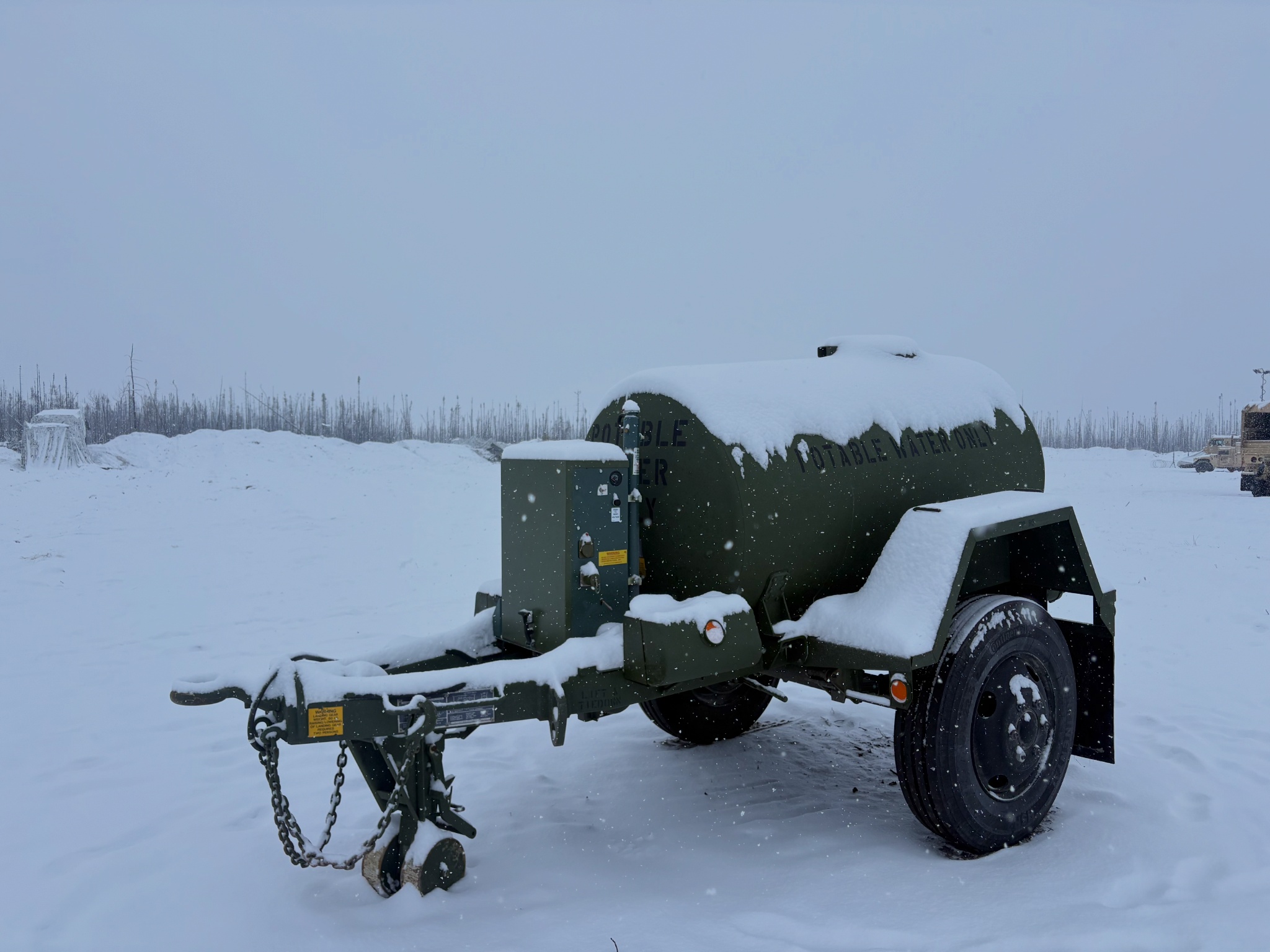
At JPMRC, temperatures ranged from 0 to -30°F. Vehicles idled continuously to prevent engines from freezing. NVGs and radios burned through battery charge at accelerated rates. Heating equipment ran around the clock. Consumption rates weren't just higher, they were dictated by a volatile combination of mission and weather that static planning factors struggle with.
We field-tested our predictive consumption algorithms under these real operational conditions. Some of our predictions held up. Some didn't. More importantly, we built the feedback loop directly into the platform; units captured ground-truth data in Navigator as the rotation progressed, enabling Gallatin to refine our models through the usage. Every rotation, every environment, every set of real-world conditions makes machine learning algorithms sharper. That's the cycle we're building toward with each unit we engage.
The 17th's logisticians were operating across Maven dashboards, WICKR threads, Teams channels, and manual trackers, processes and tools built through the years and commonplace in any TOC. The information exists, but the coordination and aggregation is a friction point. During the rotation, the 17th began to collect, view, and present that data within Navigator.
Soldiers, in Navigator, began by ingesting the LOGSTATs for the 17th’s subordinate units and the BSB in-the-box. Through any of the five rapid-ingestion methods in the platform, supply data started flowing into a single platform without requiring a new process from Soldiers in the field.
This ingestion acceleration led to tangible reporting and decision-making impacts. The commander was able to see real-time roll-ups of supply levels not just as LOGSTATs rolled in twice a day, but when there were supply changes due to resupply or other supply shocks that are common in CTC rotations.
Additionally, our interoperability with Maven enabled the data generated in Navigator to be pulled into the Division's BUB/CUB Maven dashboards in real-time, reducing the need to duplicate workflows, reporting requirements, and aligned to the Army’s digital transformation goals
The predictive sustainment support platforms the Army describes in Chapter 1 of FM 4-0 are being developed and tested in the field now. They don't replace the expertise of trained logisticians. They compress the time it takes to turn fragmented data into something a commander can act on.
Before the rotation, we committed to delivering a data-driven after-action product within 12 hours of ENDEX. Not a narrative summary, but an analytical artifact built from data captured in Navigator throughout the rotation.
Standard Logistics AARs capture what happened through discussion and qualitative assessments. Through Navigator, Gallatin delivered what was captured through data: where did the unit take on risk through capture of back-haul data, did the unit showcase some unexpected TTPs, consumption variance from predictions and reporting latency.
Arctic combat is unforgiving. At -30°F, everything degrades: equipment, batteries, lubricants, the assumptions baked into your planning factors. Soldiers are operating in conditions where a frozen fuel line or a dead radio battery isn't an inconvenience, it's a mission failure. The sustainment challenge in that environment isn't just harder but fundamentally different. Timelines compress, consumption spikes in ways that don't map to temperate baselines, and the margin for error in resupply decisions shrinks to almost nothing.
Getting to operate alongside the 17th CSSB and the 11th Airborne in those conditions was a privilege. It pressure-tested our platform in ways no lab environment ever could, and it gave us a deeper respect for what sustainers in the Arctic are managing every day.
We're proud of what Navigator delivered at JPMRC, and we're committed to continuing this work across every climate, every operational environment, and every rotation where our Soldiers need faster, sharper decision support. That's what we're building for.
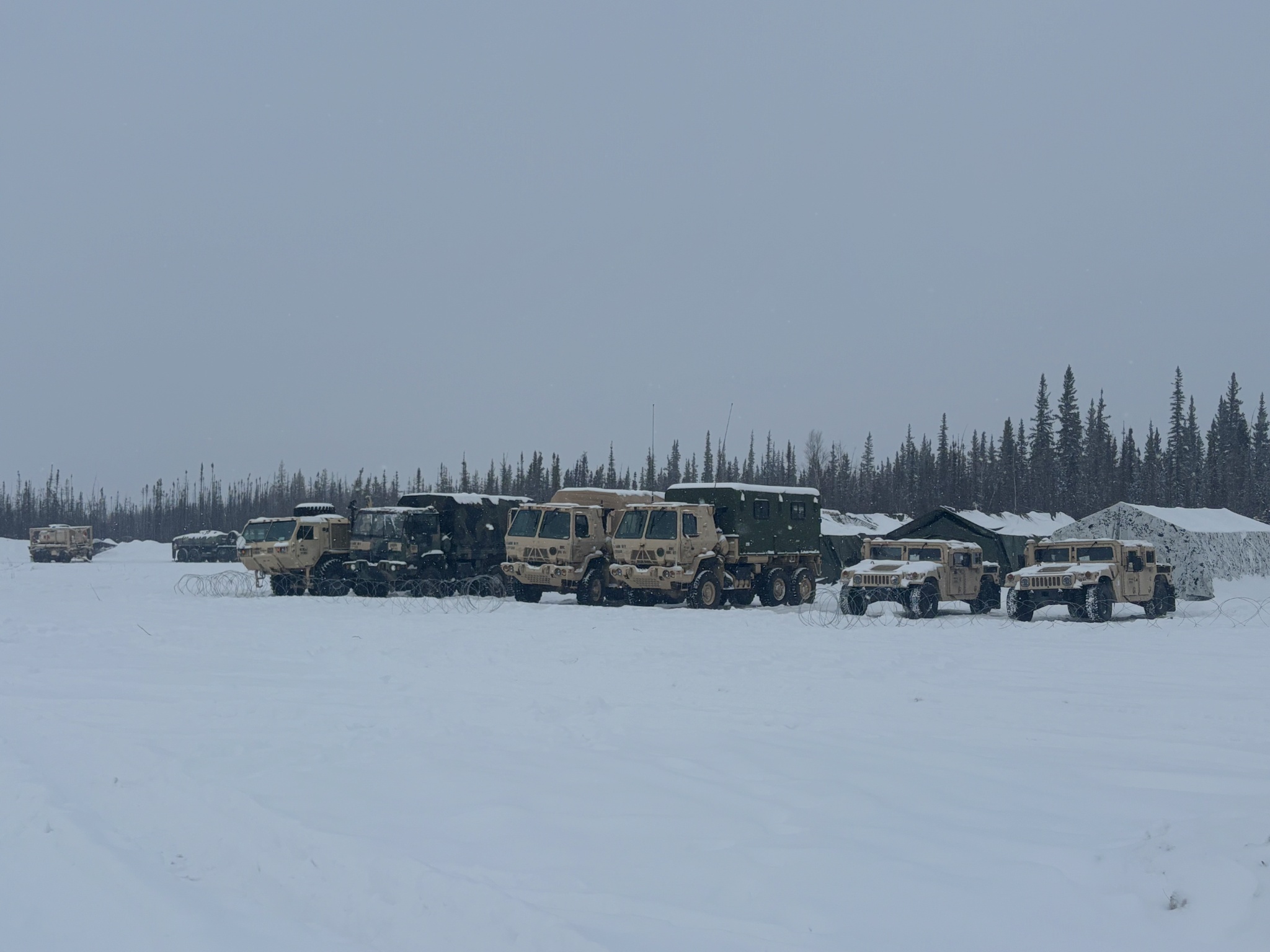
The appearance of U.S. Department of War (DoW) visual information does not imply or constitute DoW endorsement


